Satria Rezki Fernanda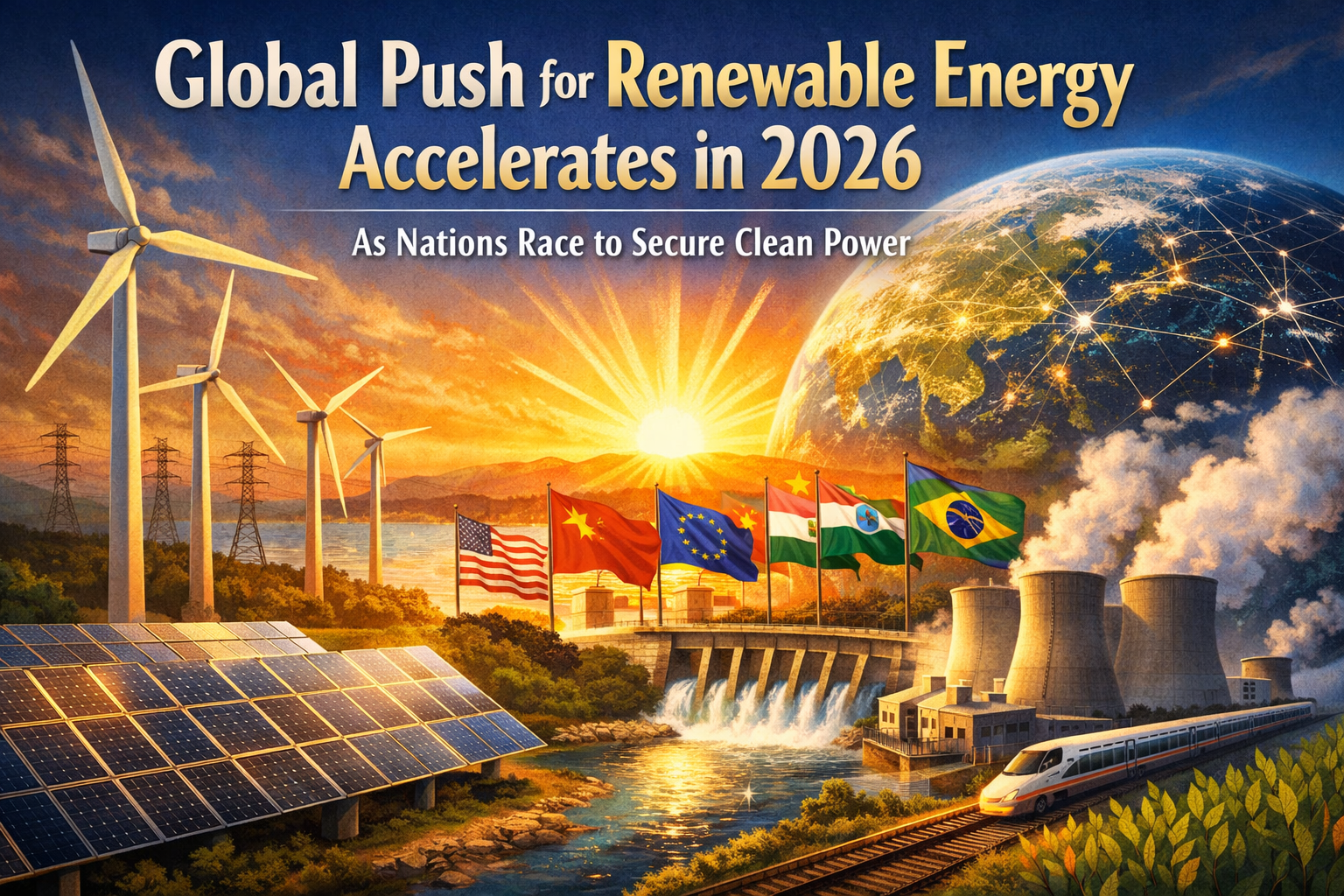
The global transition toward renewable energy is gaining new momentum in 2026, as governments intensify efforts to secure clean, affordable, and reliable power amid climate pressure and geopolitical uncertainty. Solar, wind, and other renewable sources are expanding at record pace in several regions, reshaping energy markets and redefining long-term strategies for economic and environmental security.
Energy officials report that renewable capacity additions reached historic highs last year, driven by falling technology costs and stronger policy support. Solar power, in particular, continues to lead growth due to its scalability and rapid deployment. Large-scale solar farms and rooftop installations are expanding across urban and rural areas alike, offering countries a way to reduce dependence on imported fossil fuels.
In Europe, energy diversification remains a top priority. Governments are accelerating investment in offshore wind, grid modernization, and energy storage to stabilize supply and manage intermittency. Countries such as Germany and Spain have announced new renewable targets for the coming decade, framing clean energy as both a climate necessity and a strategic economic asset.
Asia is also playing a central role in the global shift. China continues to dominate manufacturing of solar panels and batteries, while simultaneously expanding domestic renewable capacity at an unprecedented scale. India, meanwhile, is investing heavily in solar parks and transmission infrastructure to meet rising electricity demand while limiting emissions growth. Energy analysts say Asia’s decisions will largely determine the pace and impact of the global energy transition.
In the United States, renewable energy deployment is being supported by a mix of federal incentives and state-level initiatives. Wind and solar projects are creating jobs in construction, manufacturing, and maintenance, particularly in rural areas. However, debates continue over land use, permitting processes, and the pace of grid upgrades needed to integrate new sources of power.
Energy storage has emerged as a critical component of the transition. Advances in battery technology are making it easier to store excess electricity and release it when demand rises or supply dips. Grid-scale batteries are increasingly paired with renewable projects, helping address concerns about reliability. Researchers are also exploring alternatives such as hydrogen and long-duration storage to support future energy systems.
Despite progress, challenges remain significant. Supply chains for critical minerals used in renewable technologies — including lithium, cobalt, and rare earth elements — are under strain. Governments are seeking to diversify sources and promote recycling to reduce vulnerability. Environmental groups warn that mining and processing must be managed responsibly to avoid shifting environmental harm from fossil fuels to new technologies.
Fossil fuels still play a major role in the global energy mix, and the transition is uneven across regions. Some countries continue to rely heavily on coal and natural gas due to existing infrastructure and economic constraints. Energy experts emphasize that a successful transition must balance speed with stability, ensuring that energy systems remain affordable and resilient during periods of change.
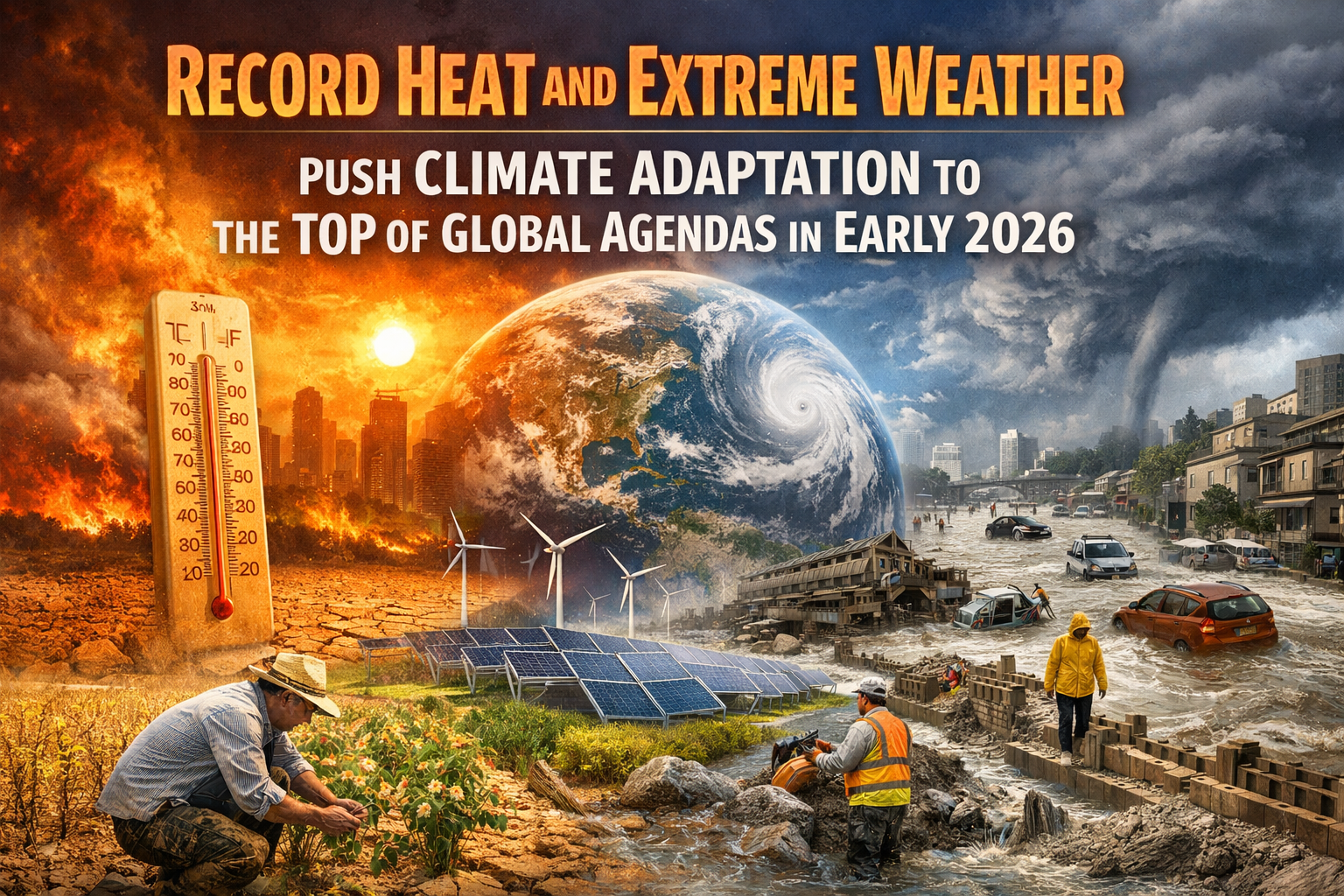
Public opinion is increasingly supportive of renewable energy, particularly as extreme weather events highlight the risks of climate change. Communities, however, sometimes resist local projects due to concerns about landscape impact, noise, or land use. Policymakers are responding by emphasizing community engagement and benefit-sharing to build local support for clean energy development.
The private sector is a major driver of innovation and investment. Corporations are signing long-term renewable energy contracts to meet sustainability goals and manage energy costs. Financial institutions are expanding green financing, while investors increasingly factor climate risk into decision-making. Analysts note that renewable energy is no longer viewed as a niche sector, but as a core component of future economic growth.
International cooperation remains crucial. Cross-border energy projects, shared research initiatives, and coordinated standards can reduce costs and accelerate deployment. At the same time, competition over clean energy leadership is intensifying, with countries seeking to dominate manufacturing, technology, and supply chains.
As 2026 continues, the pace of renewable energy adoption will play a decisive role in shaping global climate outcomes and economic resilience. While obstacles persist, momentum is clearly building. The transition to clean power is no longer a distant ambition, but an ongoing transformation reshaping how the world produces and consumes energy.
Whether this momentum can be sustained will depend on consistent policy support, technological innovation, and public trust. For now, renewable energy stands at the center of global efforts to address climate change while securing a more stable and sustainable energy future.