Satria Rezki Fernanda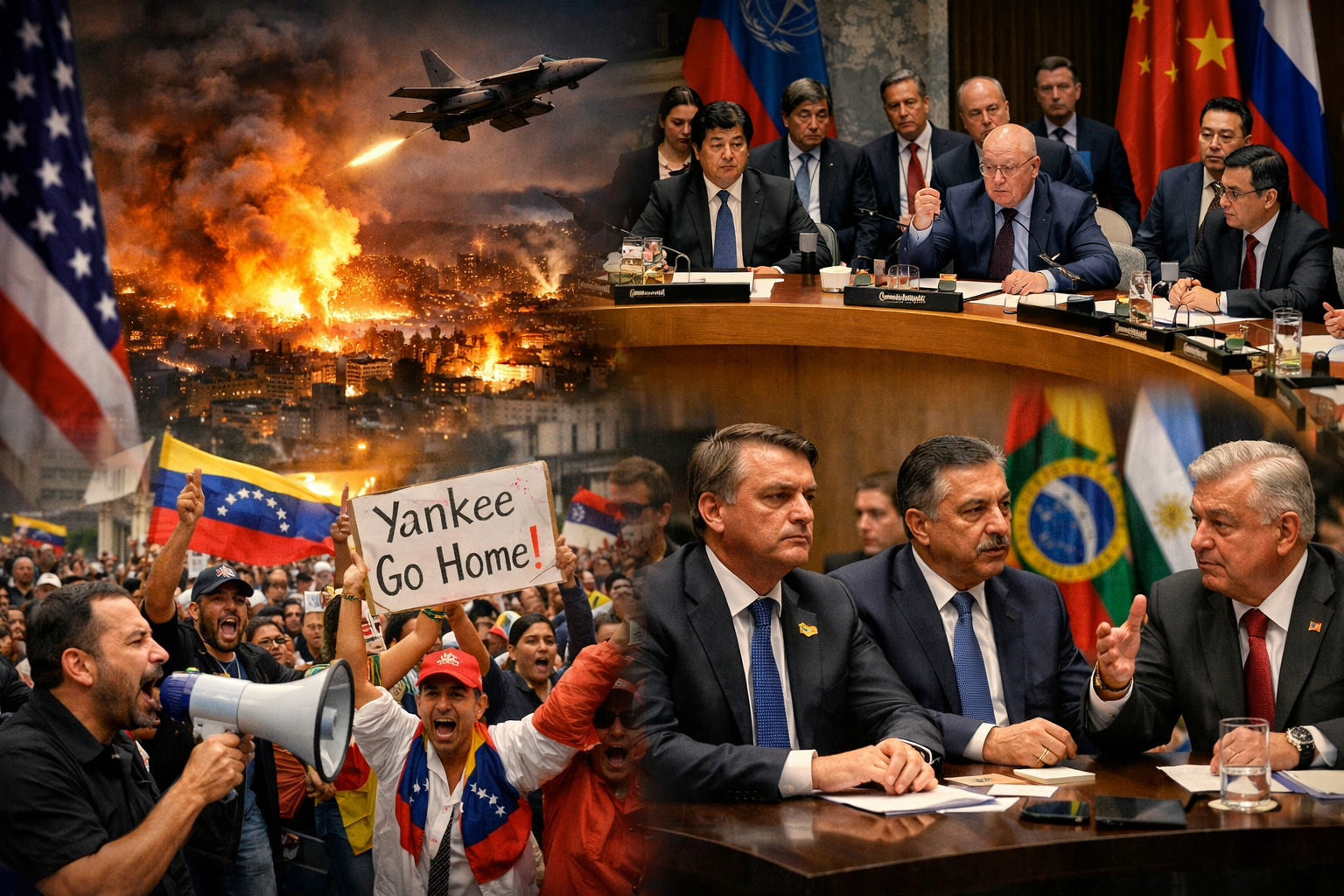
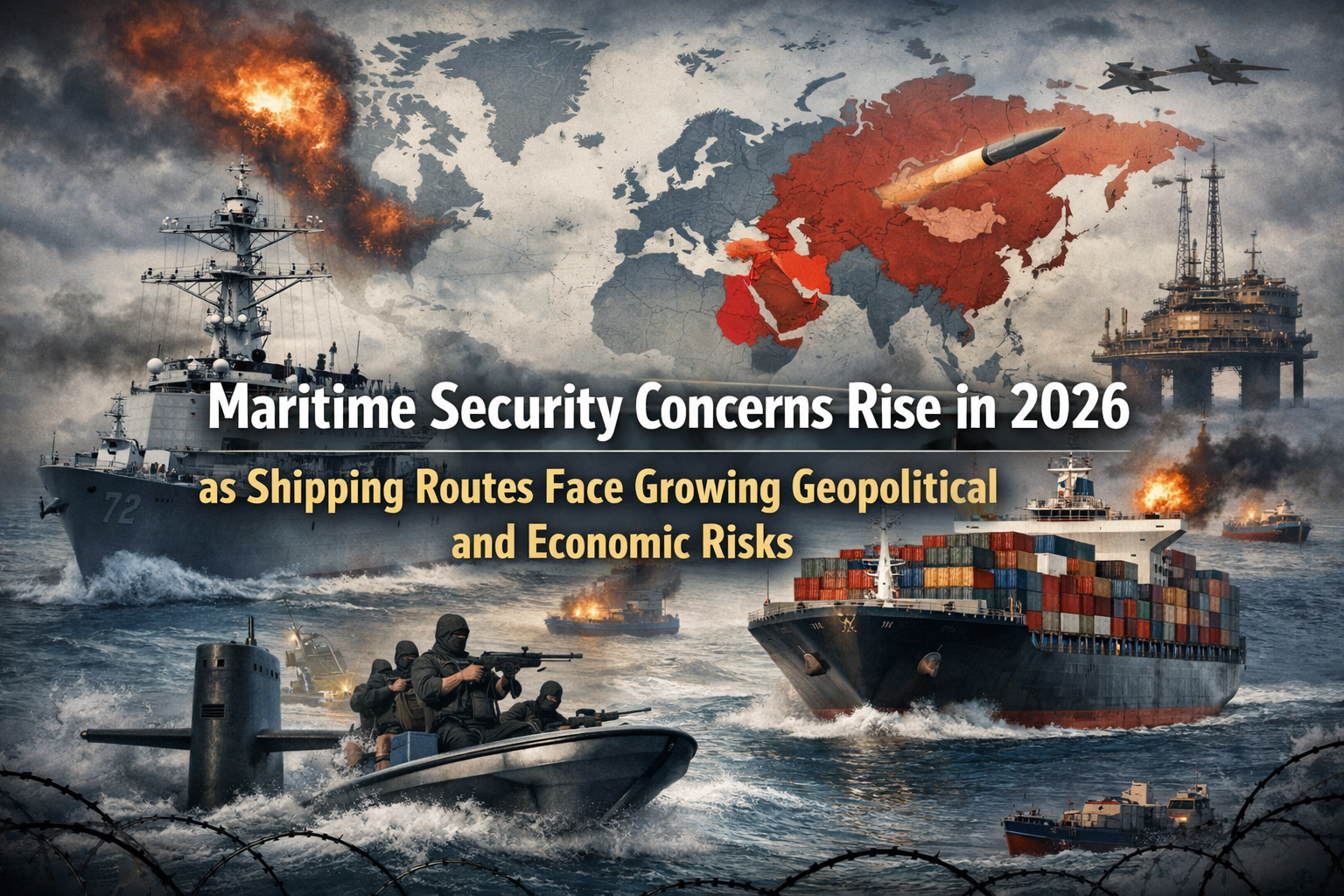
In the wake of the United States’ dramatic military action inside Venezuela on January 3, 2026 — where the U.S. government claims to have struck multiple military targets and captured President Nicolás Maduro — an unprecedented wave of international reaction has reverberated around the world, reshaping political, diplomatic, and economic landscapes. According to U.S. statements, the strikes were carried out early Saturday morning with precision against key Venezuelan military bases, generating loud explosions and significant activity around the country’s capital, Caracas. The situation has rapidly evolved into one of the most consequential geopolitical flashpoints of the year, with global powers, regional neighbors, and international institutions scrambling to respond.
President Trump addressed the nation shortly after the operation, asserting that Maduro and his wife were taken into custody and transported out of Venezuela, framing the action as part of efforts to confront narco-terrorism and threats to regional stability. While U.S. officials emphasize the precision and effectiveness of the operation, concrete details about Maduro’s current location and condition remain undisclosed, fueling both speculation and concern globally.
The swift military maneuver has ignited fierce diplomatic pushback from major global actors. China’s Foreign Ministry issued a strong condemnation, labeling the U.S. strikes as a violation of Venezuela’s sovereignty and international law, and urging Washington to respect the principles of the United Nations Charter. Beijing’s reaction reflects broader unease among nations wary of unilateral military interventions and rising geopolitical tensions. Similarly, France reiterated that no sustainable political resolution can be imposed from outside, emphasizing that Venezuelans themselves must determine their own future through sovereign and democratic processes. South Africa called for an urgent United Nations Security Council session to address the crisis, underscoring the perception among some governments that the strikes challenge established frameworks for international peace and security.
Russia also joined in condemnation, characterizing the U.S. actions as “armed aggression” and rejecting the justifications provided by Washington. Meanwhile, allied countries issued more measured responses, balancing concerns over the strike’s implications with calls for transparency and adherence to international legal norms. Regional responses have been particularly intense: Brazil’s president publicly stated that the U.S. operation “crossed an unacceptable line,” signaling a deep rift in hemispheric relations and raising alarm among Latin American governments about external interference.
As diplomatic fault lines widen, the U.S. move has significant implications for Latin America’s political order. Across the region, leaders are voicing mixed reactions — some cautiously supporting efforts to remove long-criticized leadership in Venezuela, while others fiercely oppose the use of force and warn of escalation. Opposition figures within Venezuela have offered support for the strikes, but questions remain about who now governs the nation and how stability will be maintained. The Venezuelan defense ministry has issued contradictory and limited communications, describing the moments of armed conflict and asserting control over certain districts, intensifying uncertainty on the ground.
Beyond the diplomatic arena, economic markets have shown volatility, particularly in energy and commodities. Venezuela’s oil output — already constrained by years of underinvestment and sanctions — now faces even greater uncertainty. Global oil prices fluctuated in response to the sudden instability in one of the world’s historically significant producers, raising concerns about supply chain disruptions and investment risk in the sector. Analysts caution that prolonged unrest in Venezuela could have ripple effects on global energy markets, and potentially exacerbate inflationary pressures worldwide.
The international reaction is not limited to governments. Civil society organizations, human rights groups, and policy think tanks have weighed in, many decrying the use of military force without broad international consensus or multilateral oversight. Advocates are calling for urgent humanitarian considerations, emphasizing that Venezuelan civilians — already grappling with economic hardship and infrastructure collapse — face heightened danger amidst ongoing military actions. They urge all parties involved to prioritize civilian safety and ensure protections under international humanitarian law.
Meanwhile, the United States Congress finds itself in a heated debate over executive authority and military engagement. Critics argue that the administration bypassed constitutional requirements for congressional approval of military actions, raising enduring questions about checks and balances in decisions that could lead to war or sustained conflict. Supporters in certain factions view the action as necessary for confronting transnational crime and authoritarian governance, but bipartisan debate shows deep divisions that may shape future U.S. foreign policy.
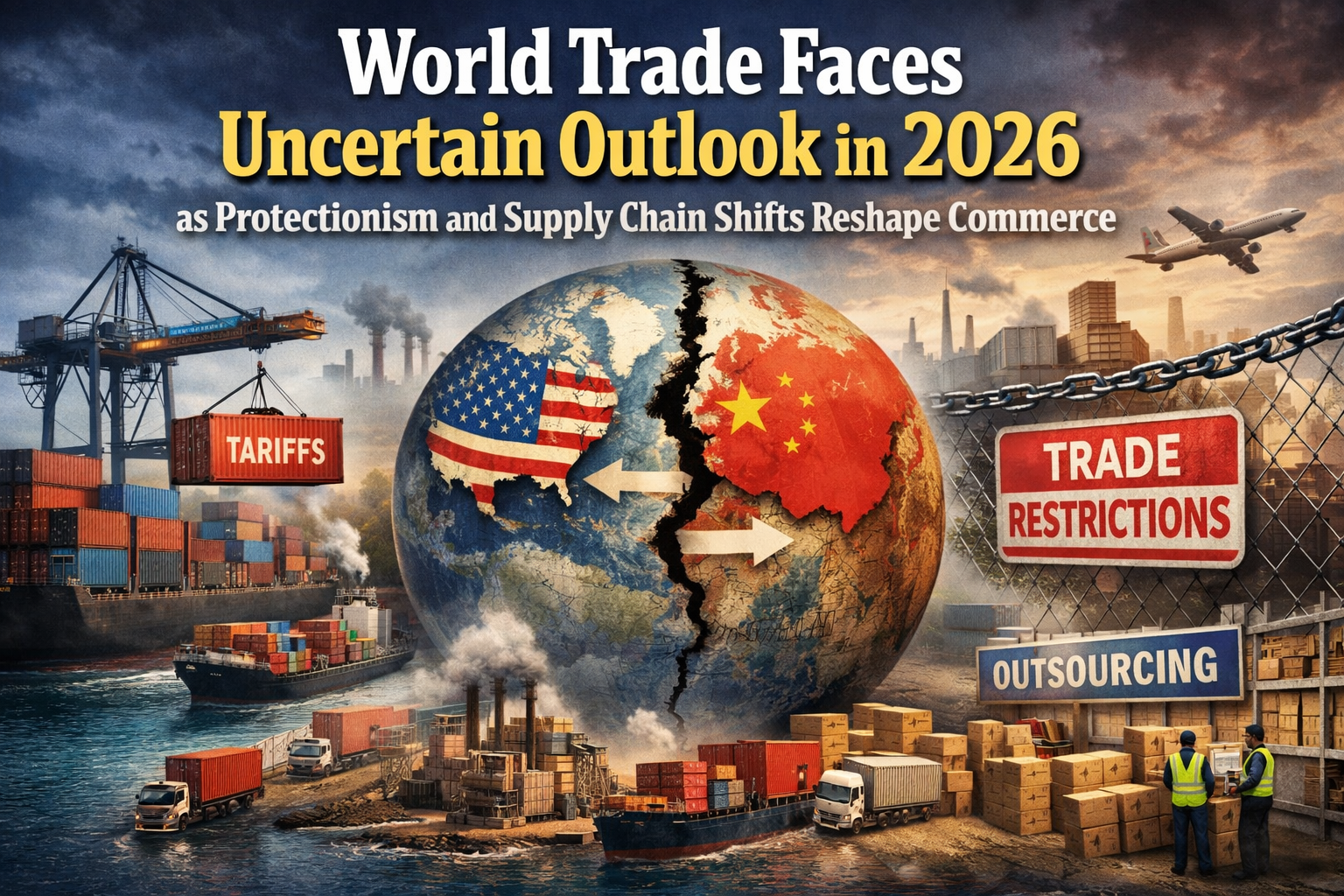
The broader strategic implications also touch on alliances and global power dynamics. Experts suggest that the U.S. move may recalibrate alignments in the Western Hemisphere, pushing some nations closer to alternative global partners like China or Russia, while straining traditional multilateral institutions. Latin American regional bodies are expected to convene in emergency sessions to address implications for peace, sovereignty, and mutual cooperation, as member states seek mechanisms to de-escalate tensions and prevent further confrontation.
In addition to geopolitical concerns, the world is witnessing simultaneous moments of human interest and cultural significance. Astronomers and skywatchers around the globe are preparing for a rare celestial event: the first Wolf Moon supermoon of 2026, which is expected to peak January 3–4, offering bright lunar spectacle and potential tidal impact in coastal regions. The phenomenon has captured global attention as a reminder of natural wonders that transcend human conflict.
Sports and entertainment sectors provide a contrasting backdrop, with events like the World Darts Championship finals and other international sporting highlights drawing global audiences. While geopolitical uncertainty persists, these cultural touchpoints reflect the multifaceted tapestry of current global life and the varied experiences that captivate people around the world today.
The aftermath of the Venezuela crisis — politically, economically, and socially — is still unfolding. With global reactions continuing to intensify and diplomatic pressure mounting, the international community faces a pivotal moment in determining how principles of sovereignty, security, and lawful engagement will be upheld in a deeply interconnected world.