Satria Rezki Fernanda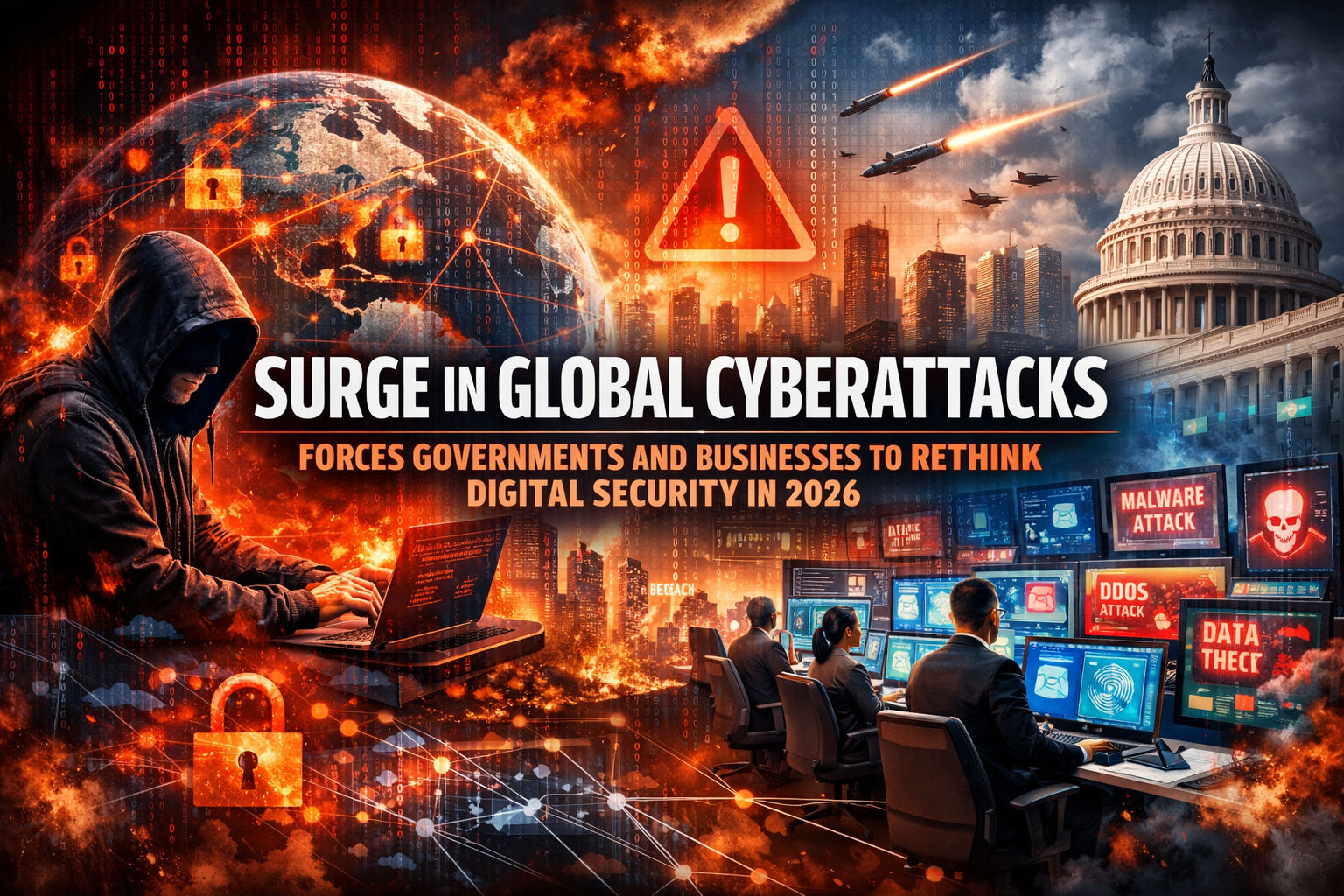
As 2026 unfolds, a sharp rise in global cyberattacks is forcing governments, corporations, and critical institutions to reassess how they protect digital infrastructure in an increasingly interconnected world. From large-scale ransomware incidents to sophisticated data breaches and state-linked cyber operations, the threat landscape is expanding in both scale and complexity, raising alarms about economic stability, national security, and public trust.
Cybersecurity agencies in several countries report that attacks have become more frequent and more targeted over the past year. Hospitals, financial institutions, energy providers, and government databases have all been affected, with attackers exploiting outdated systems, weak authentication practices, and human error. Experts warn that the growing reliance on cloud services, remote work, and artificial intelligence has created new vulnerabilities faster than defenses can be deployed.
One of the most concerning trends is the rise of ransomware attacks against critical services. In multiple incidents reported late last year, hackers encrypted essential systems and demanded payment to restore access, disrupting healthcare operations and public services. In some cases, organizations were forced to shut down systems temporarily, delaying medical procedures and administrative functions. Cybersecurity specialists emphasize that such attacks now pose risks not only to data but also to human safety.
Governments are increasingly vocal about the national security implications of cyber threats. Officials in the United States have described cyberattacks as one of the most significant risks facing the country, on par with traditional military threats. Similar assessments have been echoed by authorities in Europe and Asia, where concerns about cyber espionage and infrastructure sabotage are growing. State-sponsored hacking groups are suspected in several high-profile incidents, though attribution remains complex and politically sensitive.
Businesses are also feeling the pressure. Major corporations report rising costs associated with cybersecurity, including investments in monitoring systems, employee training, and incident response teams. Smaller companies, however, often struggle to keep up. Analysts warn that small and medium-sized enterprises are particularly vulnerable, as attackers increasingly view them as easier targets with fewer resources and weaker defenses.
The financial impact of cybercrime continues to grow. According to industry estimates, global losses from cyberattacks now amount to hundreds of billions of dollars annually, factoring in ransom payments, downtime, legal costs, and reputational damage. Insurance companies have responded by tightening requirements for cyber coverage and raising premiums, making it harder for organizations to transfer risk.
Artificial intelligence has emerged as a double-edged sword in the cybersecurity battle. On one hand, AI-powered tools are helping defenders detect unusual behavior, identify vulnerabilities, and respond to threats more quickly. On the other, attackers are using the same technology to automate phishing campaigns, generate convincing fake messages, and probe systems at scale. Security experts warn that AI-driven attacks could significantly lower the barrier to entry for cybercriminals.
Public awareness of cyber risks is rising, but experts say behavior has not always kept pace with knowledge. Weak passwords, reused credentials, and delayed software updates remain common problems. High-profile data breaches involving personal information have heightened public concern, especially as stolen data is increasingly used for identity theft, financial fraud, and targeted scams.
In response, governments are introducing stricter regulations and reporting requirements. Several countries now require organizations to disclose major cyber incidents within a set timeframe, aiming to improve transparency and coordination. Policymakers argue that timely reporting helps authorities identify patterns, issue warnings, and respond more effectively. Critics, however, caution that compliance burdens could overwhelm smaller organizations if not carefully implemented.
International cooperation is becoming a central focus of cybersecurity strategy. Because cyberattacks often cross borders within seconds, no single country can address the problem alone. Multinational exercises, intelligence sharing agreements, and joint task forces are expanding, particularly among allied nations. Yet geopolitical tensions complicate collaboration, as mistrust between rival powers limits the scope of shared information.
Education and workforce development are also emerging as critical issues. The global shortage of skilled cybersecurity professionals continues to widen, leaving many organizations understaffed and exposed. Universities and training programs are racing to expand capacity, while governments explore incentives to attract talent into the field. Experts stress that long-term resilience depends as much on people as on technology.
Despite the growing threat, some analysts see cautious reasons for optimism. Awareness is higher than ever, investment in cybersecurity is increasing, and best practices are becoming more standardized. Organizations that adopt a proactive approach — combining technical defenses with employee training and clear response plans — are proving more resilient against attacks.
As digital systems become ever more central to economic and social life, cybersecurity is no longer a niche technical issue. It has become a fundamental pillar of trust in modern society. The challenge facing 2026 is not whether cyber threats will continue to grow, but whether governments, businesses, and individuals can adapt quickly enough to stay ahead in a constantly evolving digital battleground.